

 Tea originated in China, as legend has it, 5,000 years ago with Chinese emperor Shen Nung claiming the health benefits of tea in 2737 BC. However it[DU1] was Ceylon (now Sri Lanka) that made tea famous in the 19th and 20th centuries.
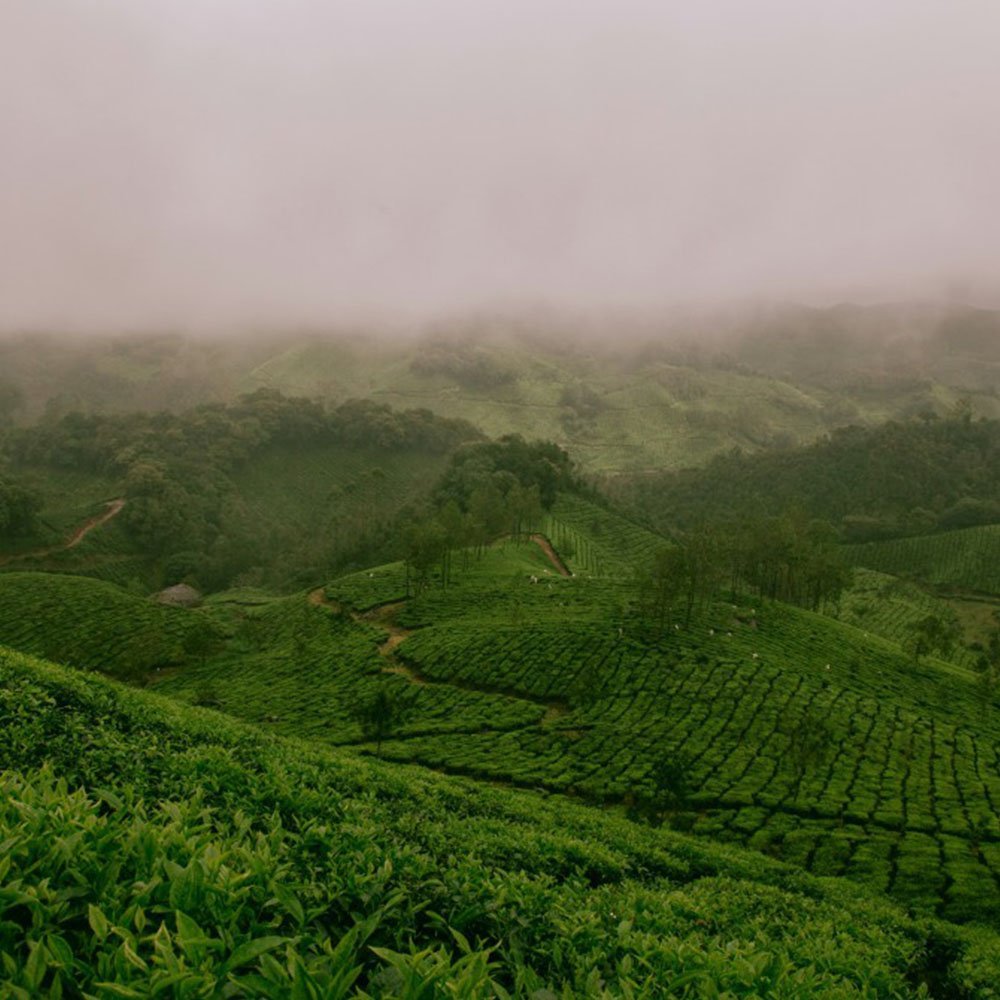 Scotsman James Taylor is attributed to having planted the first tea in Sri Lanka. It was in 1867 that Taylor planted 20 acres of tea on the Loolecondera Estate (of which he was Superintendent). It was here he perfected the technique of fine plucking – ‘two leaves and a bud.’

The story of Ceylon Tea begins over one hundred and fifty years ago, when the country that is now known as Sri Lanka was still a British colony. Coffee was the dominant crop on the island, and intrepid British men journeyed across oceans to begin a new life on coffee plantations. However, coffee was not destined to succeed in Ceylon. Towards the close of the 1860s the coffee plantations were struck by Hemileia Vostatrix, coffee rust, better known as coffee leaf disease or ‘coffee blight’. As coffee crops failed, planters switched to the cultivation and production of tea.
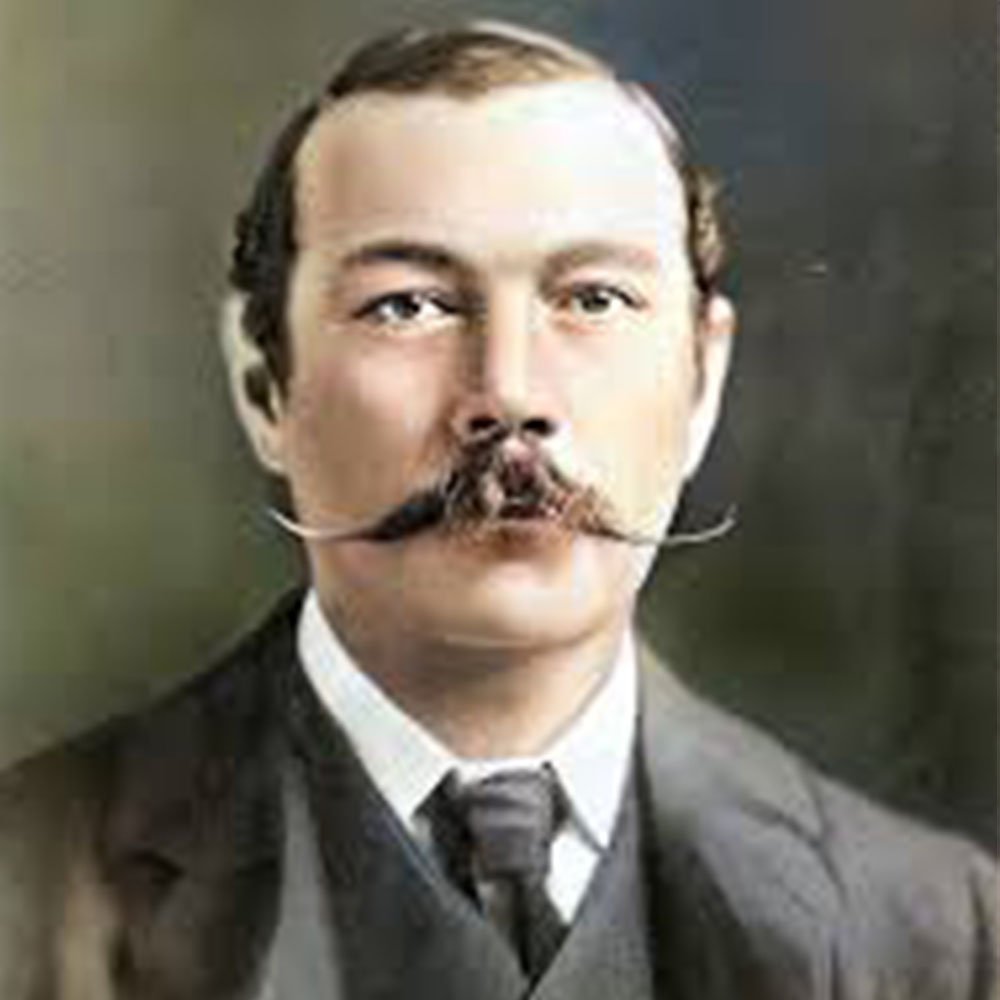 Experimental planting of tea had already begun in 1839 in the botanical gardens at Peradeniya, close to the royal city of Kandy. These plants had arrived from Assam and Calcutta through the East India Company. Commercial cultivation of tea commenced in Ceylon in 1867. Reflecting on the bold initiative, Sir Arthur Conan Doyle stated that, “… the tea fields of Ceylon are as true a monument to courage as is the lion at Waterloo.”
 James Taylor, a Scotsman, played a significant role in the development of Ceylon Tea. A perfectionist by nature, Taylor experimented with tea cultivation and leaf manipulation in order to obtain the best possible flavour from the tea leaves. Taylor’s methods were emulated by other planters and soon, Ceylon Tea was being favourably received by buyers in London, proving that tea could be a profitable plantation crop.

In 1872 the first official consignment of Ceylon Tea was shipped to England and consisted of two packages of 23 pounds or 10 kilo grams. The first recorded shipment, however, was dispatched to England in 1877 aboard the vessel “The Duke of Argyll.”

By the 1880s almost all the coffee plantations in Ceylon had been converted to tea. British planters looked to their counterparts at the East India Company and the Assam Company in India for guidance on crop cultivation. Coffee stores were rapidly converted to tea factories to meet the demand for tea. As tea production in Ceylon progressed, new factories were constructed, and an element of mechanisation was introduced. Machinery for factories was brought in from England. Marshals of Gainsborough – Lancashire, Tangyes Machine Company of Birmingham and Davidsons of Belfast supplied machines that are in use even today.
 As Ceylon Tea increased in popularity throughout the world, a need arose to mediate and monitor the sale of tea. An auction system was established and on 30 July 1883, the first public sale of tea was conducted. The Ceylon Chamber of Commerce undertook responsibility for the auctions, and by 1894 the Colombo Tea Traders’ Association was formed. Today, almost all tea produced in Sri Lanka is sold at auctions conducted by these two organisations.

Ceylon Tea became the front-runner of the industry and was much loved for its unmatched quality and variety. The alchemy of land, sun and rain in the Paradise Island of Ceylon (as it was then known), presented the ideal climatic conditions for the cultivation of tea. Ceylon added a new dimension to tea by producing many variations in taste, quality, character, and appearance, largely based on the terrain of the region. Ceylon Tea with its distinct taste and character became every consumer’s favourite cuppa.


